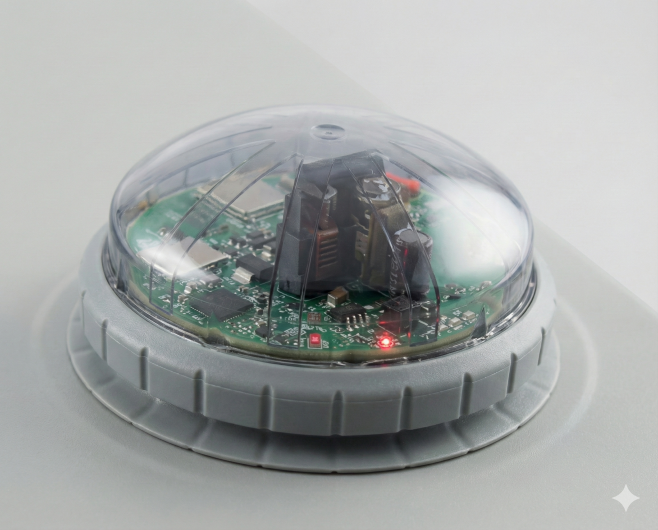
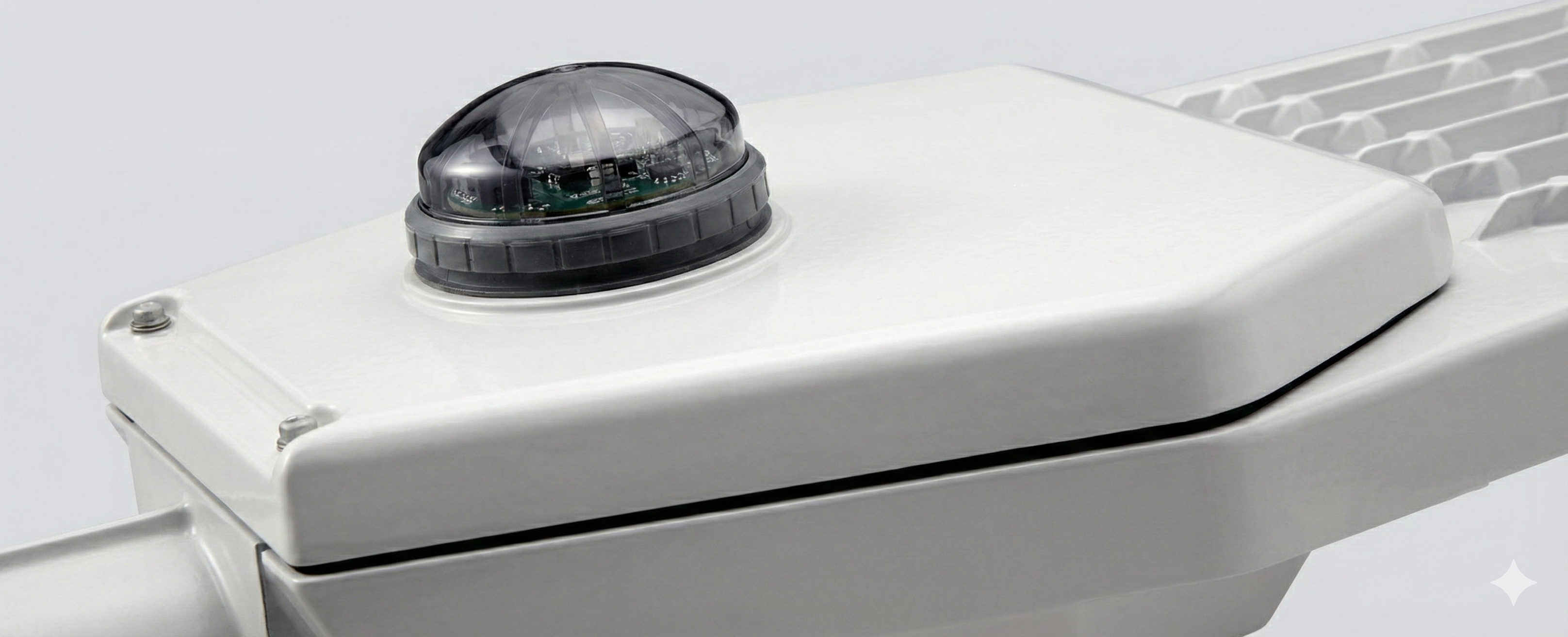
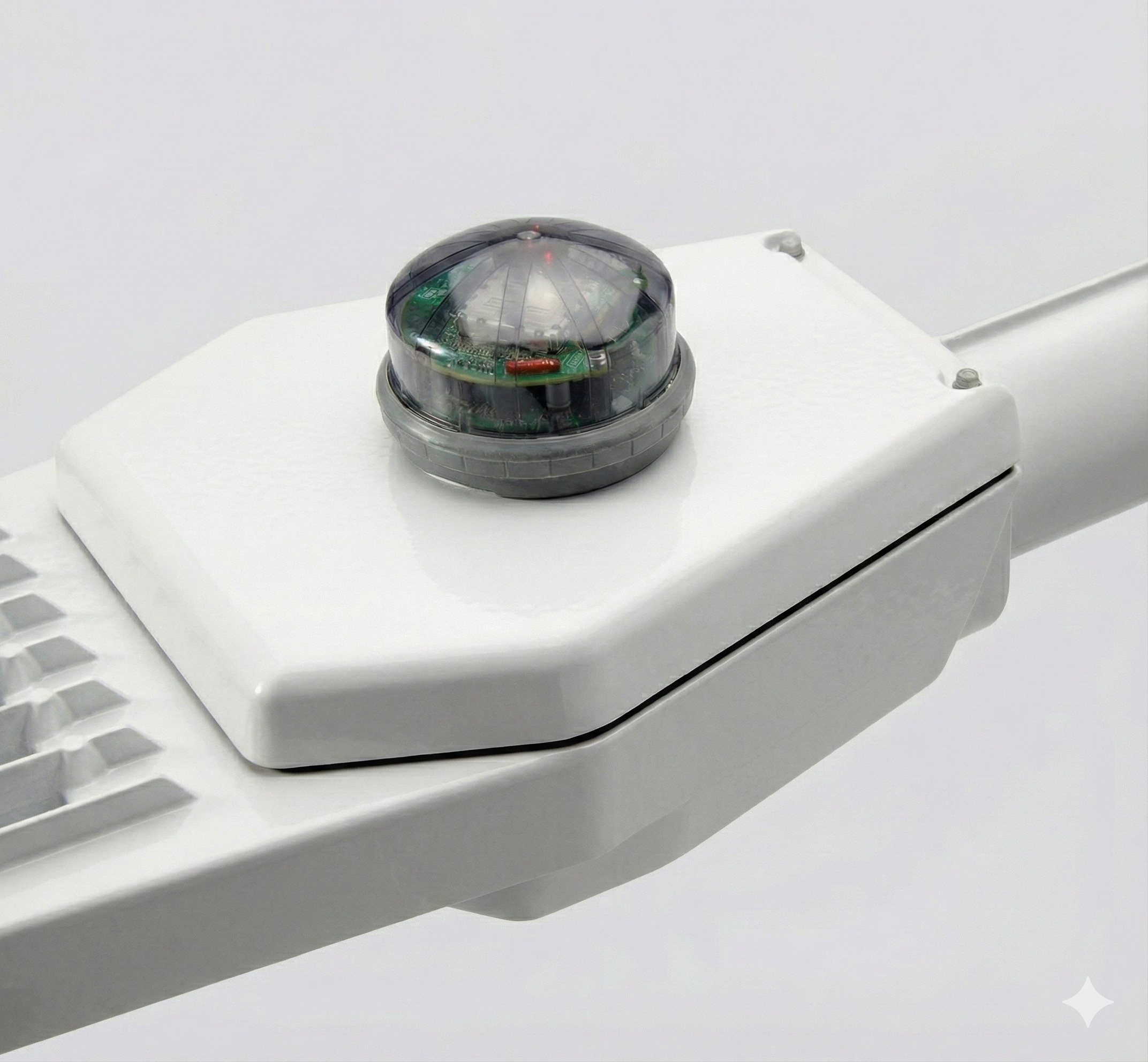
Smart Lighting Node Hybrid Zhaga version
Paradox Engineering's Hybrid Zhaga Node represents a convergence of asset control and network infrastructure. It combines the full functionality of a standard Zhaga Book 18 lighting controller with the advanced capabilities of a network gateway, eliminating the need for separate hardware to manage your mesh network topology.
1. Industry-Standard Lighting Control
Fully compliant with Zhaga Book 18, the Hybrid Node acts as a robust controller for LED luminaires, delivering identical capabilities to conventional controllers:
-
DALI-2 / D4i Compliance: Seamless on/off switching and precision dimming.
-
Asset Monitoring: Real-time energy monitoring and event reporting.
-
Sensor Integration: Native support for sensor data through DALI or wireless interfaces.
2. Advanced Network Orchestration (Border Router)
Beyond lighting control, this device serves as the Border Router for the 6LoWPAN mesh network. It acts as the central coordination point, managing the flow of data for all connected devices in its domain.
-
RPL Routing Management: Handles routing coordination and maintains the entire 6LoWPAN topology.
-
Topology Maintenance: Automates parent selection and propagates routing updates to all child nodes to ensure network stability.
-
Mesh Synchronization: Manages frequency hopping and time synchronization across the mesh to minimize interference and latency.
3. Data Aggregation & Telemetry
The Hybrid Node functions as an intelligent edge aggregator, ensuring data quality before it reaches the Central Management System (CMS).
-
Telemetry Buffering: Aggregates data from connected devices to ensure reliable forwarding to the CMS.
-
Precision Timestamping: Automatically adds time information to data packets from nodes lacking internal clocks, ensuring accurate historical data.
-
Secure Uplink: Establishes a dedicated, secure channel for communication with the CMS.
4. Interoperability & Architecture
Designed for open ecosystems, the Hybrid Node reduces infrastructure complexity by merging the controller and gateway into a single, deployable unit.
-
uCIFI / LwM2M Compliant: Fully supports the OMA LwM2M data model, ensuring standardized data semantics from the edge to the CMS.
-
Third-Party Compatibility: The adherence to standardized data structures guarantees interoperability with third-party systems.
-
Simplified Deployment: By acting as an all-in-one solution, it reduces hardware counts and installation costs while enhancing system reliability